
introduction
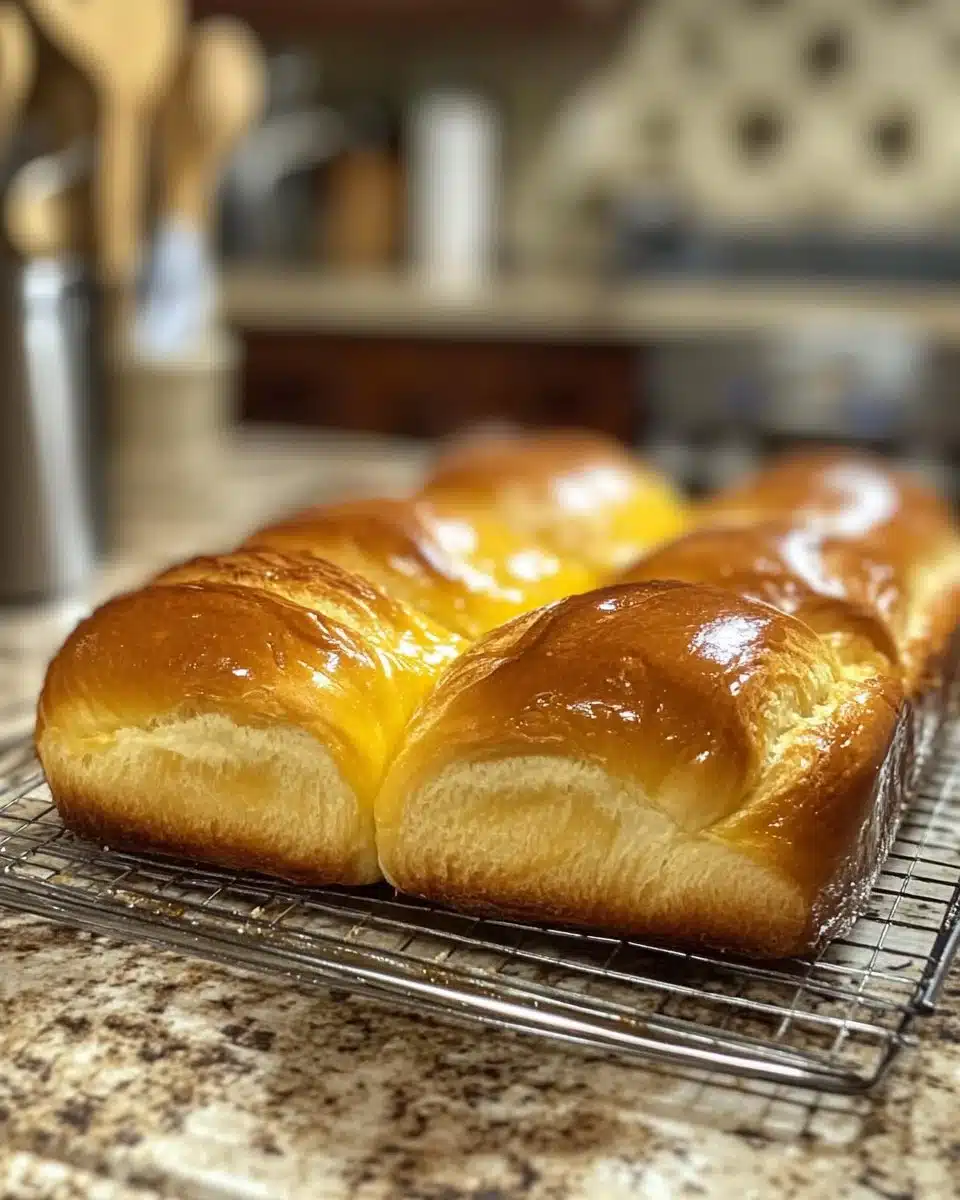
Homemade Brioche is a soft, rich bread you can make at home with a little time and care. It has a tender crumb and a golden crust. This bread uses eggs and butter to make a light, fluffy loaf that feels special for breakfast or sandwiches. If you enjoy making things from scratch and simple homemade projects, you might like this clear guide to a craft dough too: easy homemade ornament dough.
This introduction will help you know what to expect. I will explain why you’ll love this brioche, what you need, how to make it step by step, ways to serve it, how to store it, useful tips, ideas for variation, and answers to common questions.
Why You’ll Love This Homemade Brioche
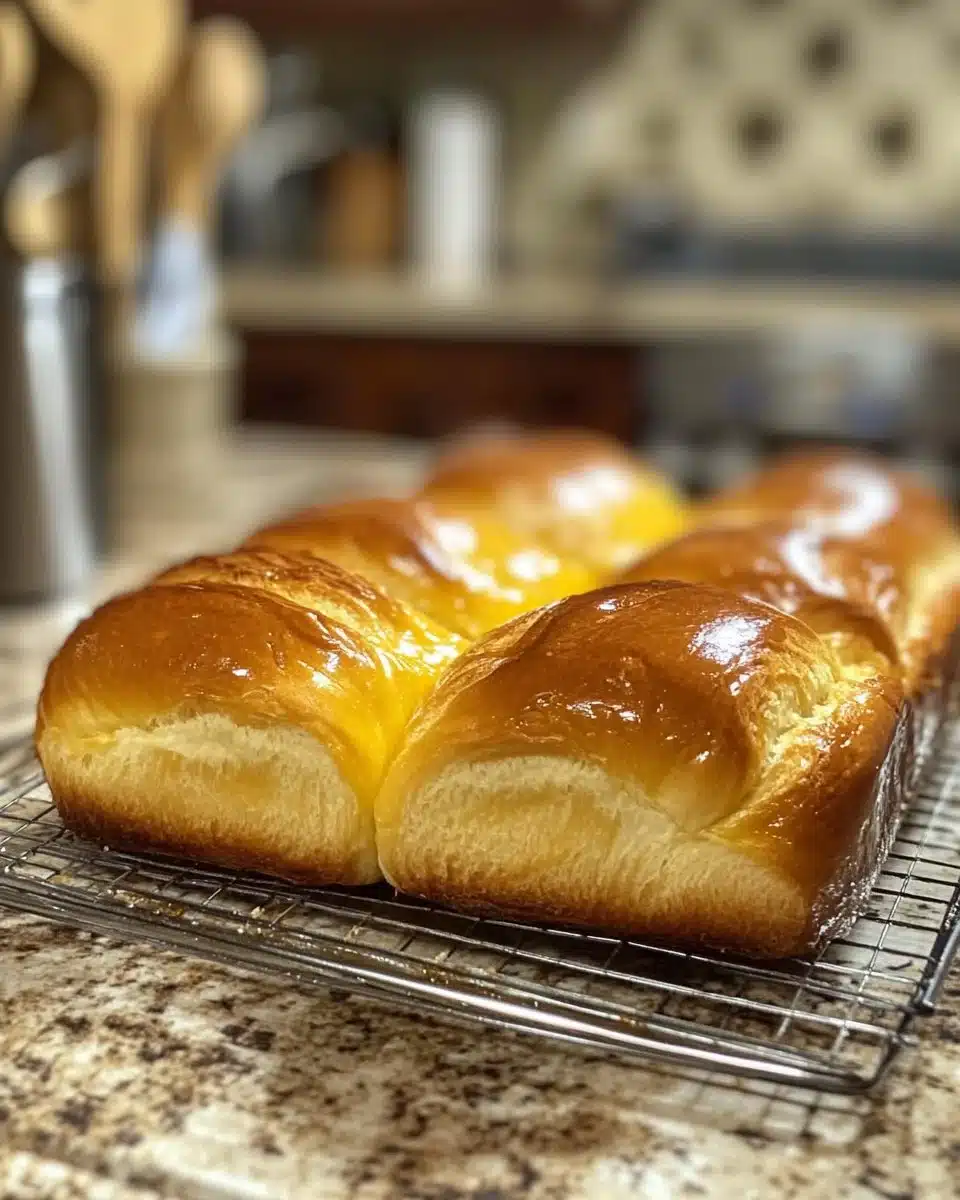
You will love this brioche because it is soft, rich, and slightly sweet. The texture is light and pillowy thanks to eggs and butter. The crust browns well and the inside stays tender. It works for many uses: toast, French toast, jam, or simple sandwiches. This bread feels like something special but does not need fancy skills. It is forgiving if you follow the basic steps. The dough keeps in the fridge, so you can bake fresh bread when you want it. That slow chill also improves flavor.
Why Make This Recipe
Make this recipe because it gives consistent results. It uses a stand mixer to develop gluten and to blend cold butter into the dough. The long, slow chill makes the dough easier to shape and gives the bread better flavor. Many store-bought breads can be dry or full of additives. Homemade brioche uses simple, real ingredients: flour, eggs, milk, butter, yeast, sugar, and salt. You control the flavor and texture. Also, making bread at home is satisfying. You smell fresh bread in your house and you can slice it warm.
What You Need for Homemade Brioche
You will need a stand mixer with a dough hook. If you do not have one, you can knead by hand, but it takes more time and effort. Use a sturdy 9×5-inch loaf pan for shaping. You also need basic tools: measuring cups or a kitchen scale, a rolling pin, parchment paper, a bench scraper or a sharp knife, and a cooling rack. Keep butter very cold and eggs and milk cold as the recipe says. Use a kitchen thermometer if you have one to check the baked bread’s internal temperature. Grease the loaf pan before placing the dough.
How to Make Homemade Brioche
Follow the directions step by step. Read all steps first so you know where the cold butter and refrigerating fit. The dough must be soft and elastic, and the butter must be added in small pieces while mixing.
Ingredients:
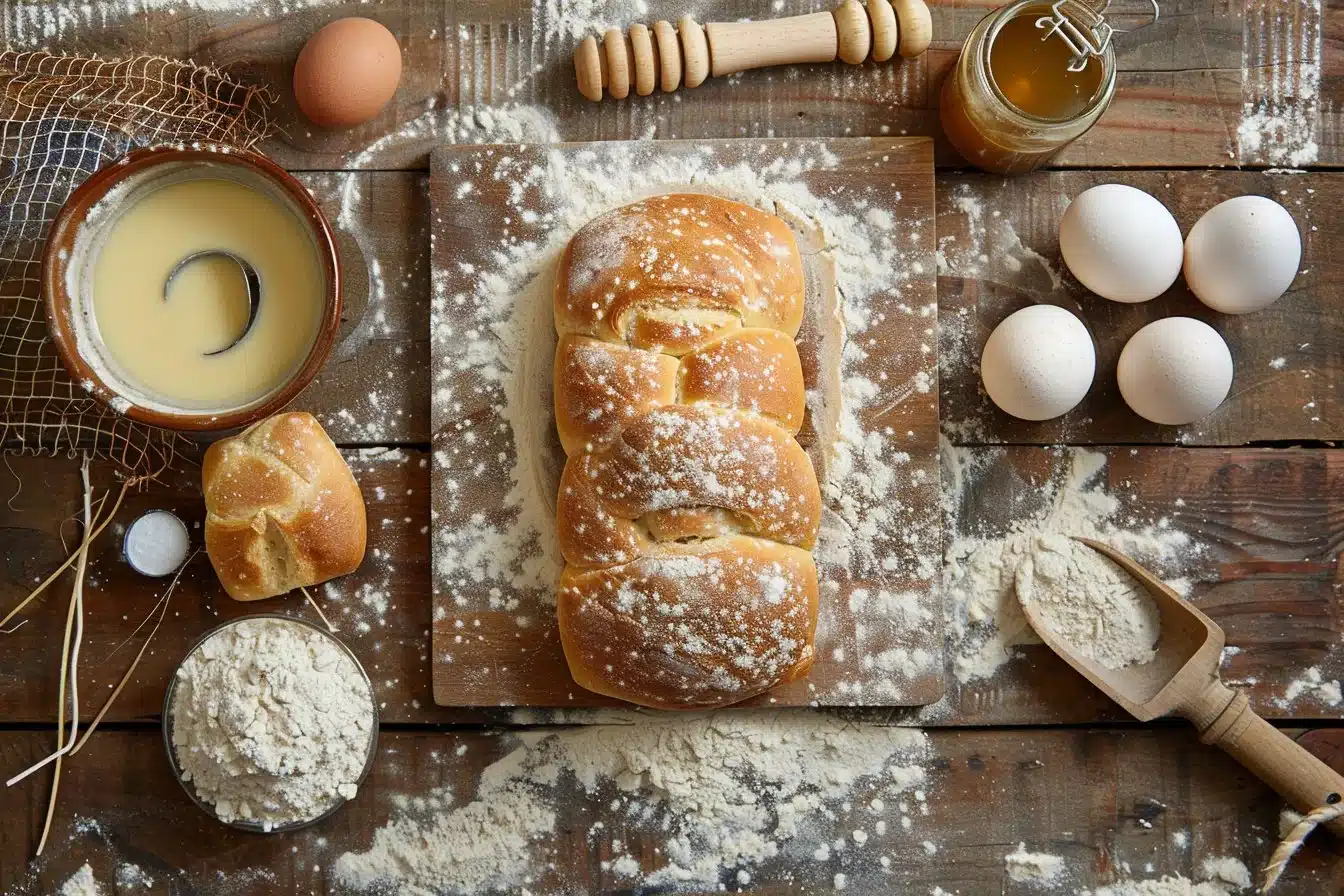
3 and 1/4 cups (423g) bread flour (spooned & leveled), plus more as needed
2 and 1/4 teaspoons (7g) active dry or instant yeast (1 standard packet)
1/4 cup (50g) granulated sugar
1 and 1/2 teaspoons salt
1/2 cup (120ml) whole milk, cold
3 large eggs, cold
1/2 cup (113g; 8 Tbsp) unsalted butter, cold
egg wash: 1 large egg beaten with 1 Tablespoon (15ml) milk
Directions:
In the bowl of a stand mixer fitted with a dough hook attachment, whisk together the flour, yeast, sugar, and salt. Add the milk and eggs, and mix on medium-low speed for 3 full minutes, until the dough comes together and forms a rough mass around the dough hook. It will be shaggy at first, but just keep mixing until it comes together. Stop the mixer and scrape down the sides of the bowl as needed.
Increase the speed to medium and let the mixer run for 8–10 minutes. Do not shorten this time. The dough should wrap itself around the dough hook and be slapping the sides of the bowl. If that isn’t the case after about 8 minutes, add a little more flour, 1 Tbsp at a time, and keep mixing.
Place a sheet of parchment paper on a sturdy cutting board. Cut the cold butter into 8 equal pieces. Lay the pieces out on the parchment. Place a second sheet of parchment paper on top of the butter. Using a rolling pin, pound the butter to flatten it to about 1/16th of an inch thickness, or about 2mm. If the dough is not yet ready for the next step, transfer the butter, still between the sheets of parchment, to the refrigerator. The butter must be cold.
With the mixer running on medium-low speed, add the butter, 2 pieces at a time. Use a knife or offset spatula to scrape the pieces of butter off the parchment paper and add them to the mixing bowl. Wait until the butter has completely incorporated into the dough before you add the next 2 pieces—this can take about 2 minutes. If the butter gets stuck to the side of the bowl, stop the mixer and scrape it down with a spatula. Once all 8 pieces of butter have been added, increase the speed to medium and let the mixer run for another 2 minutes (again, the dough should be slapping the sides of the bowl), until the dough is smooth, shiny, and elastic. It will be very soft.
Grease a large bowl with butter, oil, or nonstick spray. Shape the dough into a ball and place it in the bowl, turning it to coat the dough in the butter/oil. Cover tightly and refrigerate for at least 12–16 hours, or up to 48 hours.
Grease a 9×5-inch loaf pan.
Remove the dough from the refrigerator and turn it out onto a lightly floured surface. Divide the dough into 6 equal pieces. A bench scraper is always helpful for cutting dough. (Tip: If you have a kitchen scale, weigh the dough, then divide that number by 6 so you know how much each piece of dough should weigh. For example, if the dough weighs 850g, aim for each piece of dough to weigh around 140–145g.) Shape each piece into a smooth ball, and place in the prepared loaf pan, staggering the dough balls in a zigzag pattern.
Cover the loaf lightly and let it rise at room temperature for 1.5 to 2 hours until it’s puffy and just reaches the rim of the pan.
Adjust an oven rack to a lower position and preheat the oven to 350°F (177°C).
When the brioche has risen to the rim of the pan, brush the top of the loaf with egg wash. Bake for 35–40 minutes, until golden brown on top. For a more accurate test, insert an instant-read thermometer into the brioche; it’s done when the internal temperature reaches 195°F (91°C). If you notice the top browning too quickly, loosely tent the pan with aluminum foil. (I always tent aluminum foil over the loaf around the 20-minute mark.)
Let the brioche cool in the pan set on a cooling rack for at least 10 minutes, then carefully flip the bread out of the pan and onto the rack to continue cooling. Cool for at least 1 hour before slicing. (The crumb sets as it cools, giving you neat, fluffy slices—but if you sneak a warm piece, just know it’ll be extra soft!)
Cover leftover brioche tightly and store at room temperature for up to 5 days or in the refrigerator for up to 1 week.
Best Ways to Serve Homemade Brioche
Serve brioche sliced thick for toast. It makes excellent French toast because the bread soaks up the egg mix and stays tender. Use slices for rich sandwiches like ham and cheese or chicken salad. Warm a slice and spread butter or jam for a simple treat. You can make bread pudding with day-old brioche; the rich crumb makes a creamy pudding. For a special breakfast, toast slices and top with honey, ricotta, or fresh fruit. For sliders or small sandwiches, shape the dough into rolls instead of a loaf.
How to Store Homemade Brioche
Store brioche at room temperature if you will eat it within five days. Wrap it tightly in plastic wrap or keep it in a sealed container to stop it from drying. For longer storage, keep it in the refrigerator up to one week. For the best texture, freeze slices or the whole loaf for up to three months. Wrap the loaf in plastic and then foil, or place slices in a freezer bag. Thaw at room temperature or toast slices from frozen.
Easy Tips to Make Homemade Brioche
- Keep the butter and eggs cold until you add them. Cold butter helps the dough stay tacky but not greasy.
- Do not rush the initial mixing and kneading time. The dough needs time to develop gluten.
- Use a kitchen scale if you can. It makes dividing dough and getting consistent loaves easier.
- If the dough is sticky, add flour a tablespoon at a time while kneading. Too much flour will make the bread dense.
- Let the dough chill long enough. The slow chill improves flavor and makes shaping easier.
- Tent the loaf with foil if the top browns too fast. This prevents burning while the center finishes baking.
- Let the bread cool before slicing. The crumb sets and you get neater slices.
Try These Variations of Homemade Brioche
- Add orange or lemon zest to the dough for a citrus note.
- Fold in a handful of chocolate chips or raisins after the dough rests for a sweet twist.
- Make buns by cutting the dough into smaller pieces and baking in muffin tins.
- Brush finished loaves with a simple syrup (equal parts sugar and water warmed) for a shiny, sweet crust.
- Make savory brioche by reducing sugar and adding herbs and grated cheese before shaping.
Common Questions About Homemade Brioche
Q: Can I make this by hand without a stand mixer?
A: Yes. You can knead by hand but it takes more time and elbow work. The dough will be very soft. Use the same steps: mix, knead until smooth and elastic, then work the cold butter in a few pieces until it blends.
Q: Why is my brioche heavy or dense?
A: Dense brioche can come from under-kneading, too much flour, not enough rise time, or cold dough that did not warm enough before baking. Make sure you mix the dough to the right texture and allow time for the dough to rise until puffy.
Q: How do I know when the dough has enough butter incorporated?
A: The dough will look smooth, shiny, and elastic. It will wrap around the dough hook and slap the sides of the bowl. If the butter separates or the dough looks greasy, keep mixing until it comes back together.
Q: Can I use a different milk?
A: Whole milk gives richer flavor. You can use lower-fat milk, but the bread will be less rich. Non-dairy milks will change flavor and texture slightly.
Q: Can I make brioche without eggs?
A: Eggs are important for the structure and richness. Omitting eggs will change the dough significantly and is not recommended for this recipe.
Final Thoughts
Homemade Brioche is a rewarding bread to bake. It takes time, but the steps are simple. With a stand mixer and cold butter, you can make a loaf that is soft, rich, and versatile. Follow the recipe, keep ingredients cold as directed, and let the dough rest in the fridge. You will enjoy both the process and the warm slices.
Ready to Give It a Try?
Gather your ingredients, set aside time for mixing and a long chill, and give this brioche a go. The first loaf might feel like a small challenge, but the result is worth it. Share slices with family or use them in special recipes — the bread stores well and makes many dishes better.
Print
Homemade Brioche
- Total Time: 16 hours 55 minutes
- Yield: 1 loaf 1x
- Diet: Vegetarian
Description
A soft, rich bread that is perfect for breakfast, sandwiches, or French toast, featuring a tender crumb and golden crust.
Ingredients
- 3 and 1/4 cups (423g) bread flour, spooned and leveled
- 2 and 1/4 teaspoons (7g) active dry or instant yeast
- 1/4 cup (50g) granulated sugar
- 1 and 1/2 teaspoons salt
- 1/2 cup (120ml) cold whole milk
- 3 large cold eggs
- 1/2 cup (113g) cold unsalted butter
- 1 large egg beaten with 1 Tablespoon (15ml) milk (for egg wash)
Instructions
- In the bowl of a stand mixer fitted with a dough hook, whisk together the flour, yeast, sugar, and salt.
- Add the milk and eggs, mixing on medium-low speed for 3 minutes until the dough forms a rough mass.
- Increase the speed to medium and mix for 8-10 minutes until the dough is smooth and elastic.
- Flatten cold butter and keep it cold. Gradually incorporate it into the dough.
- Shape the dough into a ball, coat in butter/oil, and refrigerate for 12-48 hours.
- Remove from the fridge, divide into 6 pieces, shape into balls, and place in a greased loaf pan.
- Let rise at room temperature for 1.5 to 2 hours until puffy.
- Preheat the oven to 350°F (177°C). Brush with egg wash and bake for 35-40 minutes until golden brown.
- Cool in the pan for 10 minutes, then transfer to a cooling rack for at least 1 hour before slicing.
Notes
Store at room temperature for up to 5 days or refrigerate for up to 1 week.
- Prep Time: 15 minutes
- Cook Time: 40 minutes
- Category: Bread
- Method: Baking
- Cuisine: French
Nutrition
- Serving Size: 1 slice
- Calories: 350
- Sugar: 5g
- Sodium: 400mg
- Fat: 12g
- Saturated Fat: 7g
- Unsaturated Fat: 5g
- Trans Fat: 0g
- Carbohydrates: 45g
- Fiber: 2g
- Protein: 10g
- Cholesterol: 80mg